You’ve told yourself you’re going to stop watching porn. Maybe you’ve made that promise dozens of times. You’ve deleted your browsing history, blocked websites, or convinced yourself that this time will be different. And for a while, it is.
Then something happens. You’ve had a stressful day, you’re feeling lonely, or you’re lying awake with your thoughts. Before you know it, you’re doing the very thing you promised yourself you wouldn’t do again.
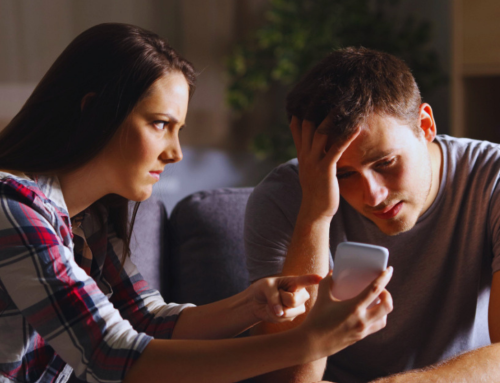
Afterward, disappointment sets in. And if you’ve promised someone you love that you’ll stop, there’s another layer of guilt. You’ve broken a promise to yourself and potentially damaged the trust of someone who matters deeply to you. You question your willpower, your self-control, and what this behaviour says about you.
But what if the reason you keep going back to porn isn’t simply that you want to watch it? What if it’s that you’ve learned to rely on what it does for you emotionally?
It’s Not Always About Sex
Pornography can provide sexual excitement and pleasure, but for some people, its appeal goes beyond that. It can offer distraction, comfort, temporary relief, or an escape from uncomfortable feelings. Maybe you turn to porn when you’re anxious because it quiets your thoughts, when you’re lonely because you feel less alone, or when life feels overwhelming and you want to switch off.
Over time, your brain can learn to associate pornography with relief. When discomfort appears, the urge to watch porn may follow almost automatically. This doesn’t necessarily mean you have an addiction, but it may help explain why stopping is harder than you expected.
Sometimes the behaviour you’re trying to stop has become the thing you’re relying on to feel better.
Why It’s So Hard to Break the Cycle
Stress, loneliness, boredom, and other uncomfortable feelings often prompt us to do something. We might reach out to someone, take a break, or address what’s bothering us. But if you’ve repeatedly used porn to escape those feelings, it may become your familiar, convenient solution.
The relief doesn’t have to last long to reinforce the pattern. If watching porn temporarily reduces discomfort, you’re more likely to repeat it. Eventually, you may reach for porn almost without thinking. Following the urge feels easier than sitting with what you’re experiencing.
This is why willpower alone can feel insufficient. You’re not simply trying to stop an activity; you may be giving up a familiar way of regulating your emotions. If you haven’t developed other ways to manage those feelings, the urge to return can become especially strong.
In my counselling practice, I’ve worked with many people who genuinely wanted to stop watching porn but couldn’t understand why they kept returning to it. Often, they had spent years concentrating on stopping the behaviour without considering what the behaviour was doing for them. Once they began recognizing the connection between their emotional state and their pornography use, they had something more useful to work with than another promise to stop.
The Shame That Keeps the Cycle Going
One of the most painful parts of struggling with pornography use can be what happens afterward. You feel ashamed or frustrated, promise to be stricter, or wonder why you can’t seem to do something that should feel simple.
If you’re using pornography to escape emotional discomfort, the shame afterward may create more of the very discomfort you’re trying to avoid. You feel bad, seek relief, watch porn, and then feel worse about yourself. Eventually, the behaviour and the shame surrounding it can become a vicious cycle.
That doesn’t mean ignoring behaviour that’s affecting your life or relationships. It means that understanding why you return to porn may be more helpful than repeatedly punishing yourself for returning to it. Shame can make you want to hide; understanding gives you somewhere to begin.
Is It Porn Addiction or Something Else?
Not everyone who watches pornography has a problem, and not everyone who wants to stop has an addiction. For some people, porn conflicts with personal, religious, or relationship values. That conflict can cause genuine distress without necessarily indicating a compulsive disorder.
For others, the concern is a growing loss of control. They repeatedly try to stop or reduce their use, continue despite consequences, or find that porn interferes with relationships, responsibilities, or daily life.
If you’ve been questioning whether your porn use has become a problem, Recovery Calgary’s Porn and Sexual Behaviour Self-Assessment can help you take a closer look at your behaviour and understand what your responses may suggest.
The important question isn’t simply how often you watch. It’s whether your use feels increasingly difficult to control and is affecting the life you want to live.
If you’re unsure whether your pornography use has become a problem, Am I Addicted to Porn? Signs It May Be More Than Just a Habit explains some of the warning signs and how to recognize when a habit may be becoming compulsive.
Why Making Another Promise to Stop May Not Be Enough
When you’re disappointed in yourself, a fresh start can feel appealing. You promise never to watch porn again, install blocking software, or decide you need more discipline. Those strategies may help by reducing easy access, but they don’t necessarily address what’s driving the behaviour.
If porn has become your main response to stress, loneliness, or discomfort, removing access doesn’t remove the need for relief. Meaningful change may also involve understanding what happens before the urge and learning to respond differently.
For some people, pornography use also changes over time, with increasing frequency, intensity, or risk. Why Do Porn and Sex Addiction Get Worse Over Time? Understanding Escalation explains how those changes can develop and why they deserve attention.
Instead of asking only, “How do I stop myself from watching porn?”, consider asking, “What am I trying to escape, soothe, or satisfy when I want to watch it?” That question can reveal patterns that willpower alone may never resolve.
How to Begin Breaking the Pattern
Changing a familiar behaviour takes time, especially when it’s connected to emotional relief. Rather than expecting every urge to disappear, begin by noticing what makes those urges stronger.
Pay Attention to What Happens Before the Urge
When are you most drawn to porn? Late at night, after an argument, when you’re alone, or when you’re overwhelmed? What are you feeling just before you reach for your phone or computer? Noticing these patterns may reveal feelings or situations you hadn’t recognized as triggers.
Create Space Between the Urge and Your Response
An urge can feel urgent without requiring immediate action. Try delaying your response for a few minutes. Move to another room, take a walk, or acknowledge what you’re feeling. The goal isn’t to force the urge away, but to practice having one without automatically following it.
Find Other Ways to Meet the Underlying Need
If porn helps you escape stress, what else could offer relief? If loneliness is a trigger, perhaps you need connection. If boredom is involved, you may need engagement or enjoyment. Alternatives may not feel as rewarding immediately, but they give you more choices when difficult feelings arise.
Consider Getting Support
If you’ve repeatedly tried to change your porn use without success, you don’t have to keep struggling privately. Support doesn’t necessarily mean starting counselling. Structured self-directed recovery programs can help you understand your triggers, recognize the emotional needs behind your pornography use, and develop healthier ways of responding. Counselling and recovery support groups are also options, particularly when the behaviour has become difficult to manage or is affecting your relationships.
You Can Change the Pattern Without Hating Yourself
If you’ve spent months or years promising yourself that you’ll stop, it’s understandable to feel discouraged. You may have started treating every setback as proof that you lack discipline or that something is wrong with you. But difficulty changing a behaviour doesn’t mean you’re incapable of change. It may mean the behaviour meets a need you haven’t yet learned to address differently.
Recovery involves taking responsibility for your choices, but responsibility doesn’t require shame. You can acknowledge the consequences while remaining curious about what keeps drawing you back.
And perhaps the most important shift is recognizing that the question isn’t just why you keep going back to porn. It’s what you keep going back to porn to escape from. Understanding that may be the beginning of finding another way forward.