Maybe you’ve decided to take a break from porn, watch less, or maybe to stop watching altogether. You didn’t expect ordinary moments to feel this uncomfortable. You’re sitting on the couch, trying to watch something, yet you keep reaching for your phone. You feel distracted and on edge for no obvious reason.
For some people, evenings are particularly difficult. You’re alone, the day has finally slowed down, and instead of feeling relaxed, you feel restless. Watching porn used to settle that feeling, at least temporarily. Now you’re left wondering why doing without it seems to take so much effort.
What if the discomfort isn’t telling you that you need porn, but revealing how much you’ve come to rely on it to feel comfortable?
Why Taking a Break Can Feel So Unsettling
When something becomes part of your routine, you don’t always notice how much space it occupies until you try to change it. Perhaps watching porn was how you unwound after work, distracted yourself before bed, or filled the quiet moments when you didn’t know what else to do. You may have begun reaching for it almost without thinking.
Over time, certain situations can become closely associated with that routine. Being alone or getting into bed might bring on an urge before you recognize it. When you don’t follow the familiar pattern, the moment can feel unfinished. That unsettled feeling doesn’t necessarily mean something is wrong. It may mean you’re encountering a habit without its usual ending.
Your Mind May Be Expecting Relief
Porn can offer sexual excitement, but it can also provide distraction, anticipation, and a temporary change in how you feel. If you’ve often turned to it when you’re stressed or bored, your mind may have learned to expect relief when those feelings arise.
This helps explain why you might feel restless even when you aren’t particularly interested in sex. You may not be longing for pornography itself as much as the familiar shift it provides: from tension to distraction, from boredom to stimulation, or from loneliness to feeling occupied. When that option isn’t available, the original discomfort may feel more noticeable. Sometimes what you miss most isn’t the porn. It’s the relief you’ve learned to expect from it.
The Feelings You Were Avoiding May Still Be There
Imagine you’ve had a difficult day and feel worried about something you can’t fix tonight. In the past, you might have watched porn until the worry faded into the background. Without that distraction, the worry is still waiting for your attention. The same can happen with loneliness, frustration, sadness, or the uncomfortable feeling of having nothing to do.
This doesn’t mean every person who watches porn is escaping their emotions, or that every urge has a hidden psychological meaning. Sometimes people simply enjoy it. But if you’re trying to change a pattern that has become difficult to control, it’s worth noticing whether the restlessness appears alongside feelings you’ve been trying not to experience.
Rather than asking Why can’t I relax without porn?, you might ask, “What am I finding difficult to sit with right now?”
Is This Withdrawal?
Some people who struggle with problematic pornography use report irritability, strong urges, mood changes, or trouble sleeping when they cut back. Researchers sometimes describe these as withdrawal-like symptoms, although the evidence is still developing. They aren’t the same as the medically dangerous withdrawal that can occur with alcohol or certain drugs, and restlessness alone doesn’t establish an addiction.
Other things may also contribute, including anxiety, changes in sleep, stress, or frustration about trying to change a familiar habit. You don’t need to diagnose the feeling before taking it seriously. What matters is how often it happens, how intense it becomes, and whether it’s interfering with your life.
When Discomfort Brings the Urge Back
The difficult part is that the restlessness itself can become a reason to watch porn. You feel uncomfortable, remember something that has helped before, and start negotiating with yourself. Maybe just once. Maybe you’ll stop tomorrow. Maybe you need it to settle down enough to sleep.
If you give in, the relief may be immediate, which can make that response even more appealing the next time you’re restless. Afterward, you might feel disappointed, especially if you’ve made promises to yourself or someone you love. That disappointment can add another layer of distress, leaving you looking for relief again. Understanding this pattern helps explain why the urge feels convincing, even when you genuinely want to change.
If you find yourself repeatedly returning to pornography despite wanting to stop, our article Why Do I Keep Going Back to Porn Even Though I Want to Stop? explores why this cycle can be so difficult to break and what can help you begin changing it.
What Can You Do When the Restlessness Shows Up?
Get Specific About What You’re Feeling
Instead of treating every uncomfortable moment as the same urge, pause and describe what’s happening. Are you physically tense, sexually aroused, lonely, anxious, bored, or worried that you won’t sleep? You might notice several feelings at once. Naming them can help you choose a response that addresses what you actually need, rather than reaching automatically for the same solution. For example, anxiety might call for reassurance or calming, while loneliness may call for connection.
Let the Urge Rise and Fall
An urge can feel urgent without requiring you to act on it. One approach, sometimes called urge surfing, involves noticing the sensations and allowing them to change rather than immediately trying to escape them. You might take a few slow breaths, notice where you feel tension, and give yourself thirty minutes to let the urge settle rather than acting on it. Urges don’t always disappear quickly, but their intensity can change, and you can practise getting through them.
Make Your Difficult Moments Easier
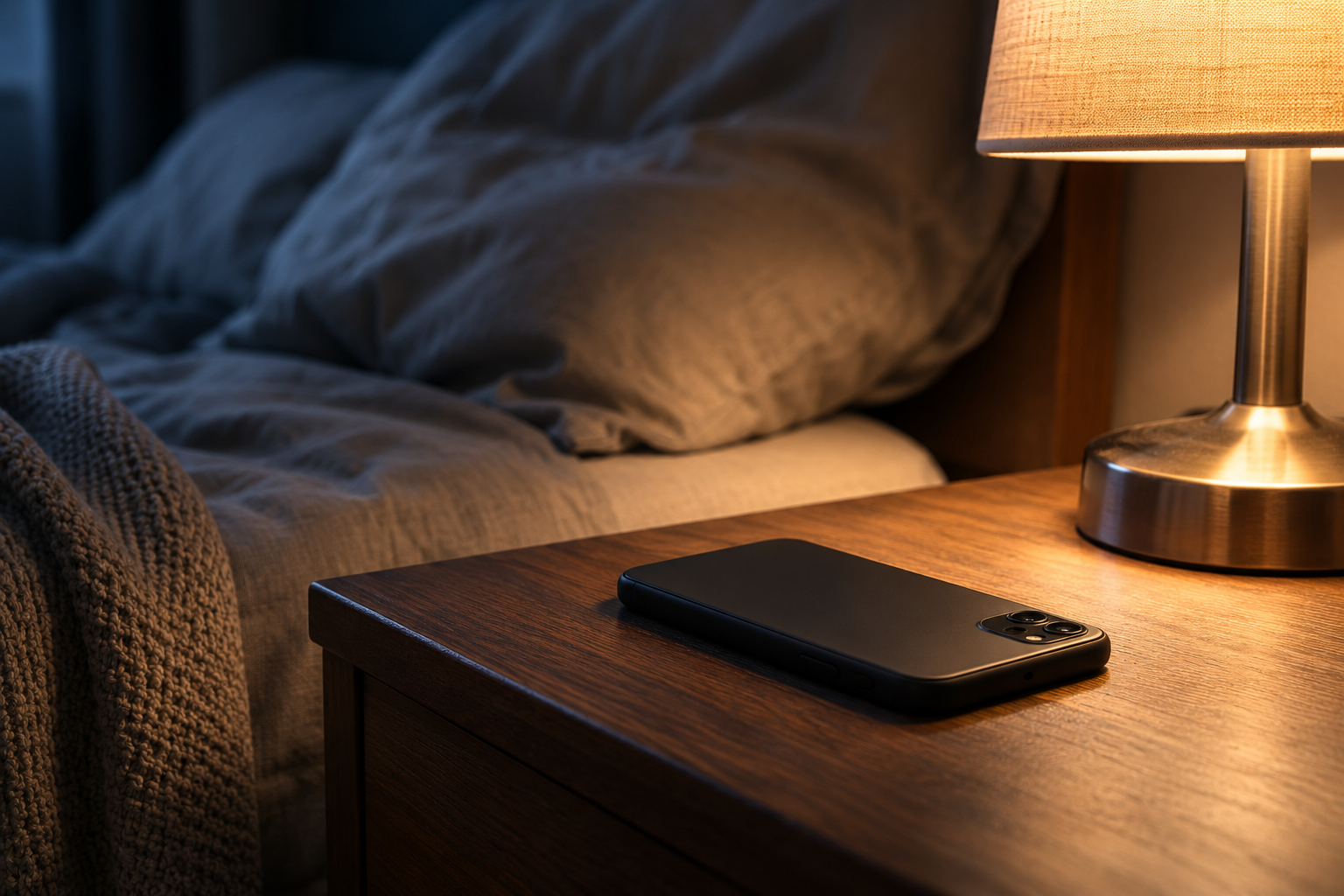
If late evenings are particularly challenging, think about what would make that time less vulnerable. You might charge your phone outside the bedroom, plan something you can get absorbed in after dinner, or change a routine that usually ends with watching porn. These steps won’t remove every urge, but they can make a different choice easier while you’re developing new habits.
Find Relief That Matches the Need
A walk might help when you’re restless, but it may do little for loneliness. Reaching out to a friend might help you feel connected, while a calming bedtime routine may be more useful when you’re exhausted. There isn’t one substitute that works for everyone. The aim is to build several ways of responding so porn isn’t the only option that comes to mind.
You Don’t Have to Work Through It Alone
If the urges feel difficult to control, interfere with sleep or responsibilities, or repeatedly pull you away from changes you want to make, a counsellor can help you explore the pattern without judgment. Support can also help when shame, relationship difficulties, or anxiety are making the experience harder. You can talk about what you want to change without having to decide on a label first.
If you’re finding it difficult to control your pornography use, or you’re experiencing strong urges when you try to stop, our Sexual Addiction Self-Assessment can help you take a closer look at your behaviour and how it may be affecting your life. It’s a confidential starting point for understanding whether your pornography use has become a problem.
Learning to Live With Discomfort Is Part of Recovery
When pornography has become your go-to way of dealing with stress, boredom, loneliness, or uncomfortable emotions, changing that pattern isn’t always easy. You may experience restlessness, frustration, or strong urges to return to what feels familiar. But those feelings don’t mean you need pornography. They mean you’re learning to respond differently.
Recovery involves more than simply stopping a behaviour. It means understanding what has been driving it and developing healthier ways of dealing with life’s challenges. Each time you recognize an urge and choose a different response, you’re strengthening your ability to manage discomfort without relying on pornography.
The goal isn’t to eliminate every uncomfortable feeling. It’s to reach a point where those feelings no longer determine your behaviour.