When most people think about relapsing, they think about cravings, stress, or being around alcohol. Those are certainly common triggers. But there’s another one that often catches people by surprise: boredom. And boredom can sneak up on you.
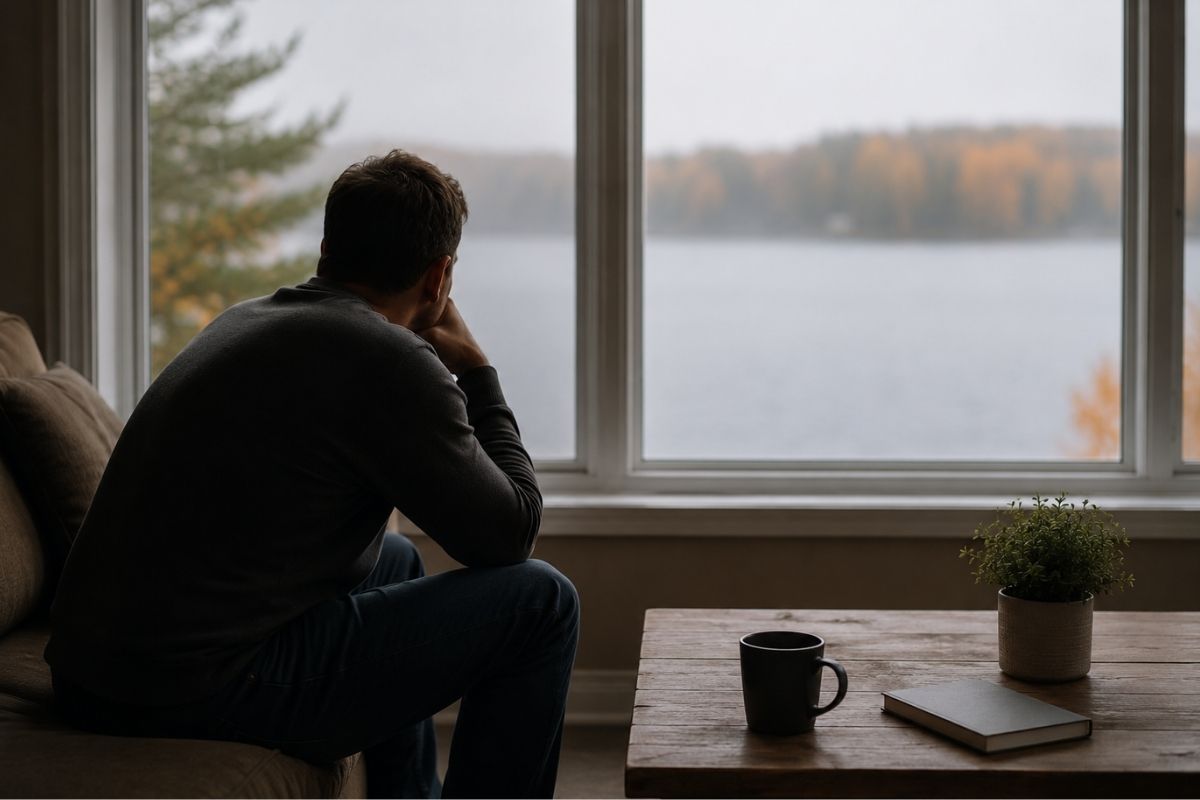
Many people are surprised by how much free time they suddenly have after they stop drinking. Those long evenings, quiet weekends, or empty hours can quickly become uncomfortable. What once felt normal now feels unfamiliar, and that can leave you feeling restless, disconnected, or unsure what to do next.
If you’ve ever wondered whether boredom can put your recovery at risk, the answer is yes, but probably not for the reasons you think.
Boredom itself isn’t the problem. The problem is what boredom leaves room for.
Why Does Boredom Feel Different in Recovery?
For many people, alcohol wasn’t just something they drank. It became part of their daily routine and lifestyle. It was how they relaxed after work, celebrated good news, managed stress, socialized with friends, or simply passed the time.
Without realizing it, alcohol gradually becomes part of everyday life.
Friday nights meant drinking. Watching the game meant drinking. Going out for dinner often included alcohol. A stressful day ended with a drink. Even a quiet evening at home may have felt incomplete without it.
When alcohol is removed, those routines don’t automatically replace themselves. Instead, recovery often leaves behind empty spaces in your day. Those empty spaces can feel uncomfortable until you begin creating new healthy ways to fill them.
For some people, those empty spaces feel surprisingly emotional. Feelings of loneliness, restlessness, frustration, or even grief can begin surfacing because alcohol is no longer there to distract them from these feelings. Others simply realize they don’t know what to do with themselves because so much of their free time once revolved around drinking. Neither experience means recovery is failing. It simply means you’re adjusting to a different way of living.
Learning to sit with those uncomfortable moments is part of recovery. While it isn’t always easy, those moments also create an opportunity to discover healthier ways of coping.
Recovery Is About More Than Not Drinking
One of the biggest misconceptions about recovery is that success simply means not drinking. While sobriety is an important first step, recovery is about much more than removing alcohol from your life.
Recovery isn’t about creating an alcohol-free life. It’s about creating a life you no longer want to escape from. That’s an important difference.
Recovery involves much more than simply stopping drinking. If you’d like to understand that distinction in greater depth, you may also find What Is Dry Drunk Syndrome? helpful.
One of the things I’ve noticed over the years is that people who focus only on what they’re trying to quit often struggle. The people who do best gradually shift their attention toward what they’re trying to build. Recovery becomes much easier when your life starts pulling you forward instead of your addiction pulling you backward.
If alcohol helped you relax, you’ll need healthier ways to unwind. If it gave you a social life, you’ll need opportunities to build meaningful connections. If it filled your evenings, you’ll need new routines that make those hours feel worthwhile.
Think about what alcohol was actually doing for you. It may have helped you feel more confident in social situations, numb difficult emotions, manage stress, reduce loneliness, or simply make an ordinary evening feel less empty. Recovery isn’t just about removing alcohol. It’s about finding healthier ways to meet those same needs.
Simply removing alcohol without replacing what it provided can leave recovery feeling empty , and that emptiness is often where boredom begins to grow. Lasting recovery happens when you gradually replace old coping strategies with healthier ones that bring genuine meaning and satisfaction.
Why Can Boredom Become a Relapse Trigger?
Boredom doesn’t cause relapse on its own. What it does is create opportunity.
Boredom has a way of lowering our guard. When life becomes quiet, the addicted brain often starts negotiating. “Maybe just one.” “I’ve been doing well.” “This time will be different.” I’ve come to believe that boredom isn’t dangerous because nothing is happening. It’s dangerous because addicted thinking quietly begins filling the empty space.
When there’s nothing meaningful occupying your mind, it’s natural for your thoughts to drift toward what once felt familiar. Addiction creates well-worn pathways in the brain, and those pathways don’t disappear overnight.
That’s why ordinary moments can become unexpected triggers. Sitting alone on a Friday night, finishing work at the end of a stressful day, or watching your favourite team play may automatically remind your brain of the way you used to cope. Those thoughts often appear before you’ve consciously chosen them.
You may find yourself thinking: “I deserve a reward.” “It wasn’t always that bad.” These thoughts don’t mean your recovery is failing, they simply mean your brain is remembering a coping strategy that it relied on for a long time.
One of the biggest myths about recovery is that successful people never think about drinking again. The reality is that unwanted thoughts happen. Recovery isn’t about never having those thoughts; it’s about learning healthier ways to respond when you do.
When you recognize those moments for what they are, they become less frightening. Instead of seeing them as signs that you’re headed toward relapse, you can see them as opportunities to choose a different response than you would have in the past.
Build a Life That Fills the Empty Spaces
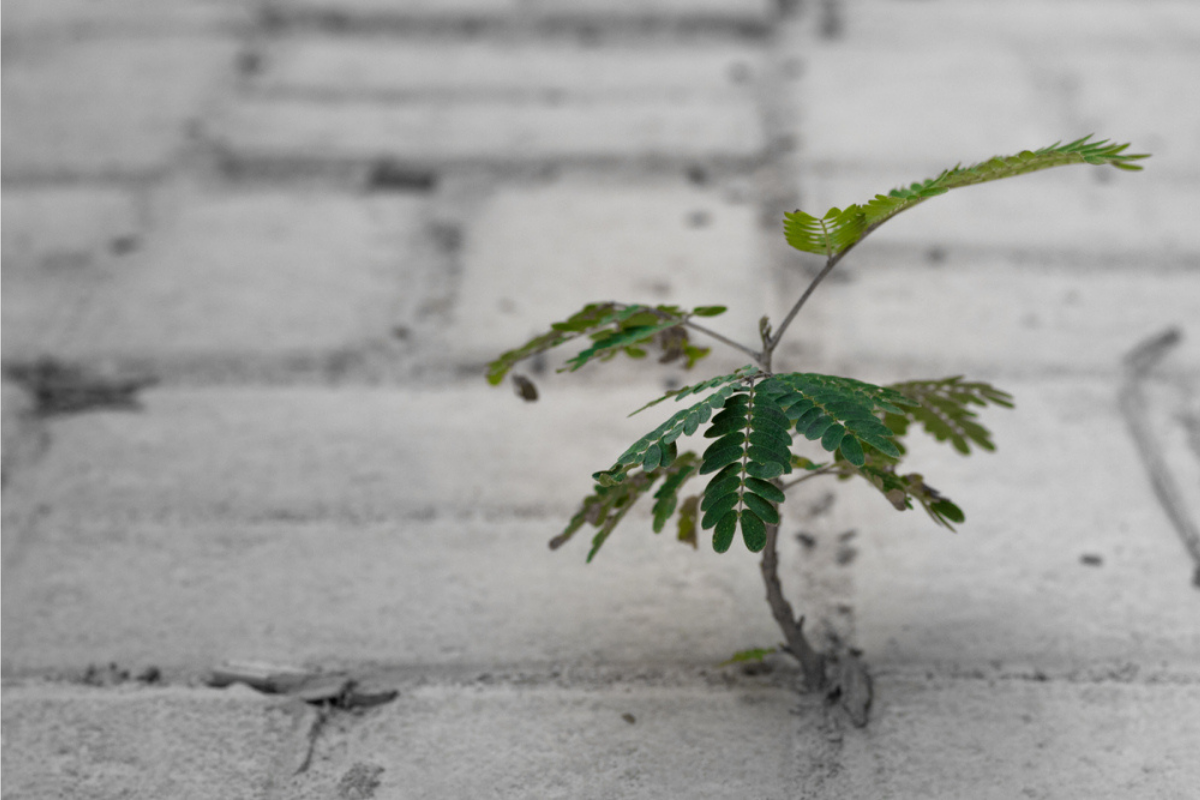
Many people begin recovery focused on what they’re giving up, but over time, the focus needs to shift toward what they’re building. That shift doesn’t happen overnight, and that’s okay. Building a new life takes time. That doesn’t mean staying busy every minute of every day to distract yourself and avoid difficult emotions.
Instead, recovery is about being intentional. It’s about finding healthy activities, meaningful relationships, hobbies, routines, and goals that gradually begin filling the space alcohol once occupied. For some people that might mean exercising, volunteering, joining a recovery group, spending more time with family, learning a new skill, getting outdoors, or rediscovering interests that were pushed aside during active addiction.
The activities themselves matter less than the purpose behind them. Recovery isn’t about staying busy. It’s about becoming engaged in a life that feels worth living.
Healthy routines aren’t valuable simply because they keep you busy. They’re valuable because they help you reconnect with yourself, strengthen your confidence, and create a sense of purpose that alcohol could never provide.
Addiction often leaves much bigger gaps than people initially realize. If you’re wondering how deeply alcohol can affect different areas of life, I explore that in How Addiction Affects Every Area of Your Life
You’re creating a life that no longer depends on alcohol to make it feel complete. As that life grows, the empty spaces that once felt uncomfortable gradually begin filling with experiences that support your recovery instead of threatening it.
Give Yourself Time
One thing that often surprises people is that healthy activities may not feel very rewarding at first. Alcohol provides an immediate reward. Healthy activities usually provide smaller rewards that build over time. That doesn’t mean they’re not working. It means your brain is healing.
This is one of the places where many people become discouraged. They compare years of alcohol conditioning with a few weeks of recovery and wonder why a walk, a workout, or an evening with friends doesn’t feel as rewarding. Healing doesn’t happen all at once. Your brain needs time to rediscover the satisfaction found in ordinary life.
Recovery asks your brain to adjust to a different way of experiencing reward. Alcohol produces an immediate sense of relief or pleasure, while healthy activities usually create satisfaction much more gradually. For a while, ordinary life can seem less enjoyable than you expected, even though you’re making real progress.
In my experience, people often become discouraged because they expect life to feel enjoyable again almost immediately. When it doesn’t, they wonder if recovery is supposed to feel this difficult. The truth is that this adjustment is a normal part of the process.
As your brain recovers, many of the ordinary things in life gradually become enjoyable again. Spending time with family, exercising, laughing with friends, accomplishing a goal, or simply enjoying a quiet evening can begin providing a genuine sense of satisfaction. That takes time, but it does happen.
Recovery Is About Building a New Life
Recovery isn’t measured only by how long it’s been since your last drink. It’s also measured by the life you’re building. As new routines become habits, relationships deepen, and healthier ways of coping become second nature, the empty spaces that once felt uncomfortable begin to disappear.
The goal isn’t simply to stop drinking. It’s to build a life where alcohol is no longer needed to fill the empty spaces.
That kind of life isn’t built overnight. It’s built through hundreds of small choices that gradually become new habits. Every healthy routine you establish, every meaningful relationship you strengthen, and every challenge you face without alcohol becomes another step toward lasting recovery.
Recovery isn’t just about creating an alcohol-free life. It’s about creating a life you no longer want to escape from.