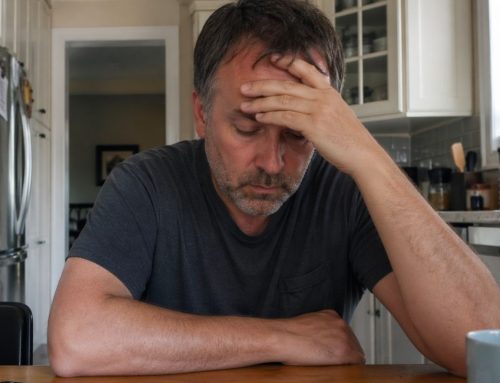
If you struggle with addiction, you have almost certainly heard some version of this message at some point:
“You just need more willpower.”
“Make better choices.”
“Take responsibility.”
On the surface, these statements sound reasonable. After all, addiction does involve behavior — drinking, using substances, acting out, or returning to patterns you promised yourself you would stop.
But for many people, those explanations never quite fit. Because underneath the behavior, something deeper is often happening.
For a significant number of people, addiction is not primarily about pleasure, rebellion, or weak character.
It is a response to unresolved trauma.
Understanding this distinction can change everything about how recovery works.
Why the “Moral Failure” Narrative Persists
For generations, addiction has been framed as a character problem.
The logic seems simple:
Someone drinks too much → they should stop
Someone keeps relapsing → they must not want recovery badly enough
Someone continues destructive behavior → they lack discipline
This explanation is appealing because it is simple.
It gives families a clear story.
It gives society someone to blame.
It suggests the solution is just more effort.
But the problem with this explanation is that it doesn’t match reality.
If addiction were simply about moral weakness, the solution would be straightforward: make a decision and stop.
Yet millions of intelligent, disciplined, motivated people struggle to do exactly that. That disconnect points to something deeper.
Trauma Changes How the Brain and Body Respond to Stress
Trauma is not only about what happened to you.
It is also about how your nervous system learned to cope with what happened.
Traumatic experiences — especially those that occur repeatedly or early in life — can fundamentally change how the brain processes fear, safety, and emotional regulation.
Instead of experiencing stress as something temporary, the body may begin to live in a near-constant state of activation.
This can look like:
- chronic anxiety
- emotional numbness
- hypervigilance
- difficulty regulating emotions
- persistent shame or self-blame
When the nervous system stays stuck in these states, the brain naturally searches for ways to regulate itself.
Substances and compulsive behaviors can temporarily provide that regulation.
Alcohol may quiet anxiety.
Opioids may numb emotional pain.
Sexual acting out may create momentary escape from overwhelming emotions.
From the outside, these behaviors look like poor decisions. From the inside, they often function more like survival strategies.
Research increasingly supports the connection between trauma and addiction. Traumatic experiences can alter how the brain processes stress, emotion, and safety, which makes some people far more vulnerable to using substances or compulsive behaviors as a way to regulate overwhelming internal states.
As explained in this overview on Why Trauma Can Lead to Addiction, trauma can leave the nervous system in a heightened state of distress, making temporary relief through alcohol, drugs, or other behaviors feel like one of the only ways to regain a sense of emotional balance.
Addiction Often Begins as a Solution
One of the most important reframes in addiction recovery is this:
Addictive behavior rarely starts as the problem. It usually starts as the solution.
At some point, the substance or behavior helped you cope with something you didn’t know how to handle.
It might have helped you:
- calm overwhelming anxiety
- block intrusive memories
- escape feelings of worthlessness
- manage loneliness or emotional pain
In that moment, the brain learns something powerful: “This works.”
And the brain is very good at remembering things that relieve pain.
Over time, the coping strategy becomes automatic. What began as relief slowly turns into dependency.
But the original function — regulating emotional pain — often remains. This is why simply removing the behavior rarely solves the deeper issue.
Why Willpower Alone Often Fails
When addiction is rooted in trauma, recovery cannot rely solely on discipline or promises.
Willpower is a limited resource.
When the nervous system is overwhelmed, the brain shifts into survival mode. In those moments, the parts of the brain responsible for long-term decision making become less active.
This is one reason why many people find that trying harder doesn’t solve the problem.
If you have already read our article on Why Willpower Isn’t Enough for Addiction Recovery, you know that determination alone rarely creates lasting change.
Recovery requires more than resisting urges.
It requires learning new ways to regulate the underlying emotional and physiological stress that drives those urges.
Trauma Can Hide Beneath the Surface
When people hear the word trauma, they often imagine catastrophic events.
War.
Violence.
Severe abuse.
Those experiences certainly qualify.
But trauma can also come from experiences that were less visible but still deeply impactful, such as:
- chronic emotional neglect
- growing up in unpredictable environments
- persistent bullying or humiliation
- repeated exposure to conflict or instability
- living with caregivers who were emotionally unavailable
In these situations, the nervous system learns an important lesson early in life:
“The world is not safe, and I must handle that feeling alone.”
Without healthy ways to process those experiences, people often carry the emotional imprint of them into adulthood.
Addiction becomes one of the ways that pain tries to regulate itself.
Why Shame Makes Addiction Worse
When addiction is framed as a moral failure, the natural emotional response is shame.
Shame sounds like:
“What is wrong with me?”
“Why can’t I get my life together?”
“I should be stronger than this.”
But shame is one of the most powerful drivers of addictive behavior.
When people feel ashamed, they often experience:
- isolation
- self-criticism
- hopelessness
Those emotional states increase stress — which strengthens the urge to escape.
This creates a painful cycle:
Trauma → emotional pain → addictive behavior → shame → more emotional pain → more addictive behavior
Breaking that cycle requires something different from blame. It requires understanding.
Recovery Often Begins with a Different Question
Instead of asking:
“What is wrong with you?”
Trauma-informed recovery asks a different question:
“What happened to you?”
That question opens the door to a very different kind of healing.
It recognizes that behavior has context. It allows people to explore the roots of their coping strategies instead of simply fighting against them.
And it reduces the shame that often keeps people stuck.
Understanding the trauma connection does not remove personal responsibility.
But it changes how responsibility is approached.
Instead of demanding perfection, recovery focuses on learning new ways to regulate emotions, build safety, and develop healthier coping strategies.
Why Many People Need More Support Than They Expect
One of the reasons people struggle in early recovery is that they underestimate how much support the process requires.
If addiction has been functioning as a trauma-regulation system for years, removing it without replacing it leaves the nervous system exposed.
That can create intense emotional discomfort.
This is why many people find that trying to recover completely alone becomes overwhelming.
If you are wondering about the role of structured support, you may also find it helpful to read What Most People Get Wrong About Outpatient Addiction Treatment.
Different levels of care exist because different people need different amounts of support while rebuilding stability.
Healing the Root, Not Just the Behavior
Recovery becomes much more sustainable when the deeper drivers of addiction are addressed.
For people whose addiction is connected to trauma, healing often involves:
- developing emotional regulation skills
- learning how the nervous system responds to stress
- processing past experiences safely
- building healthier relationships and boundaries
- reducing shame and self-blame
This work does not happen overnight.
But over time, as the nervous system becomes more regulated, the need for the addictive behavior often decreases. Not because someone is forcing themselves to stop. Because the underlying pain no longer needs the same escape route.
A Different Way to Understand Addiction
If you have spent years believing your addiction meant you were weak, irresponsible, or broken, it can be difficult to see the situation differently.
But for many people, addiction is not evidence of moral failure.
It is evidence that the brain and body were trying — in the only ways they knew how — to survive overwhelming experiences.
Recovery is not about proving you are strong enough.
It is about learning new ways to create safety, stability, and meaning in your life.
And when the deeper causes of pain begin to heal, the grip of addiction often begins to loosen.
Not through force. But through understanding.
Suggested Reading
Why Willpower Isn’t Enough for Addiction Recovery
Why Quitting on Your Own Often Fails — Even for Strong, Motivated People